Elevating Guest Experience: The Impact of Professional Hotel Cleaning.
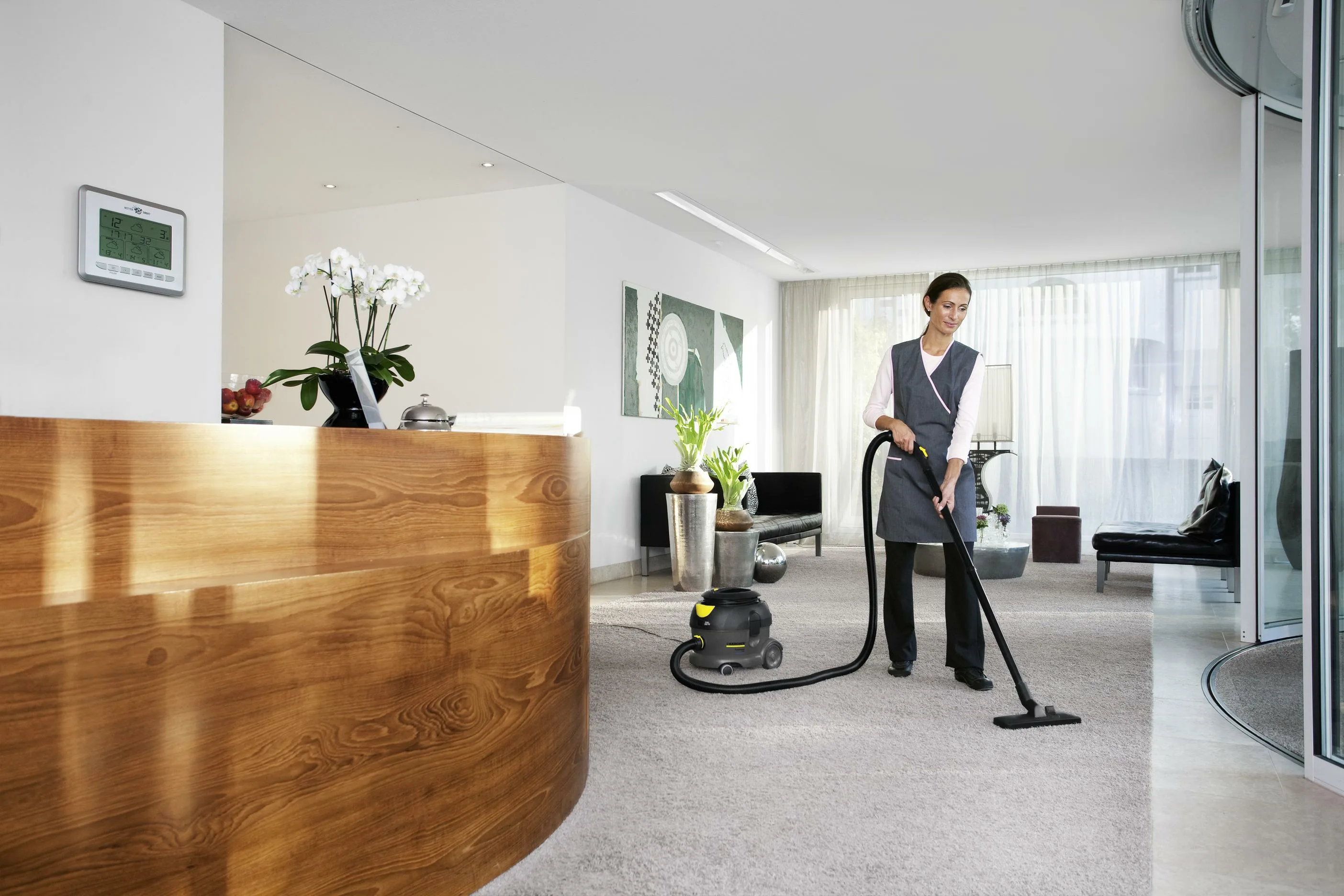
Elevating Guest Experience: The Foundation of Cleanliness
In the competitive landscape of hospitality, guest expectations are continually rising. A crucial, yet often underestimated, element that shapes the entire guest experience is the standard of cleanliness. Visitors today are more discerning, often relying on online reviews and word-of-mouth before making booking decisions. A single negative encounter with an unclean room or common area can significantly tarnish a hotel's reputation, leading to lost revenue and a struggle to attract new clientele.
The immediate impact of substandard cleaning extends beyond mere aesthetics. Guests expect a sanctuary, a place where they can relax and feel safe. When this fundamental expectation is not met, it creates a ripple effect. Feelings of discomfort, dissatisfaction, and even health concerns can quickly emerge. This directly translates into poor feedback, decreased loyalty, and a reluctance to recommend the establishment. The perception of value diminishes considerably, regardless of other amenities offered.
Many hotels face the challenge of maintaining consistently high cleaning standards amidst fluctuating occupancy rates and staffing complexities. Internal teams, while dedicated, may sometimes lack the specialized training, advanced equipment, or efficient processes required to address every intricate cleaning need. This can result in overlooked details, inconsistent service delivery across different rooms or shifts, and ultimately, a visible decline in the overall presentation of the property. Such inconsistencies are readily noticed by guests.
The long-term consequences of neglecting professional cleaning services are substantial. A hotel's brand image, built over years of effort, can erode rapidly. Potential guests, seeing recurring complaints about cleanliness in online reviews, will naturally gravitate towards competitors known for their pristine environments. This not only impacts direct bookings but also affects partnerships with travel agencies and corporate clients. Rebuilding trust and reputation is an arduous and costly endeavor.
Why Cleanliness Standards May Slip
-
Inadequate Staff Training: Internal teams may lack ongoing, specialized training in advanced cleaning techniques, proper sanitation protocols, or the use of modern equipment. This can lead to inefficiencies, missed spots, and incorrect application of cleaning agents on various surfaces.
-
Budgetary Constraints and Resource Allocation: Pressure to cut operational costs can impact the cleaning department, leading to fewer staff, outdated equipment, or lower-quality supplies. This often results in rushed schedules and compromised thoroughness, visible to guests.
-
High Staff Turnover: Significant employee turnover in hospitality makes it challenging to maintain consistent expertise. New hires may not quickly absorb specific hotel standards, leading to varied cleaning quality across rooms and common areas.
Strategic Solutions for Pristine Environments
1. Partnering with Professional Cleaning Services
Engaging a specialized cleaning company like Clariox offers access to expert knowledge, advanced methodologies, and state-of-the-art equipment. These partners bring extensive experience in diverse hospitality settings, ensuring every part of your property, from guest rooms to common areas, receives meticulous attention. Clariox's commitment to excellence means their teams are rigorously trained in industry best practices and adhere to stringent quality control standards, providing a level of expertise difficult to maintain internally.
A professional service provides a highly scalable solution, adapting seamlessly to your hotel's occupancy fluctuations without the overhead of managing an internal team for peak demands. This flexibility ensures that consistently high standards are maintained. They often utilize eco-friendly products and advanced sanitization techniques, contributing to a healthier environment for guests and staff, while significantly reducing your operational burden and ensuring a pristine appearance.
2. Implementing Advanced Cleaning Technologies
The integration of modern cleaning technology can significantly enhance both efficiency and effectiveness. This includes cutting-edge tools such as electrostatic sprayers for superior disinfection, robotic vacuum cleaners for large common areas, and specialized steam cleaners for deep sanitization of upholstery and carpets. Such technologies improve cleanliness, reduce manual effort, and allow staff to focus on critical detail work, ensuring thoroughness and consistency across the property.
Investing in innovative tools provides a substantial competitive edge. Guests are increasingly aware of hygiene practices, and seeing a hotel actively utilize cutting-edge solutions for cleanliness can instill a greater sense of confidence and trust. These technologies lead to more consistent results, fewer human errors, and a visibly cleaner environment that stands out, demonstrating a clear commitment to excellence and guest well-being.
3. Enhancing In-House Training and Quality Control
For hotels opting to bolster their internal teams, a robust and ongoing training program is paramount. This should comprehensively cover advanced techniques for various surfaces, proper chemical use, and detailed sanitation protocols. Regular refreshers and workshops ensure staff remain updated and proficient. Establishing a comprehensive quality control system, including regular inspections and structured guest feedback, fosters a culture of accountability and continuous improvement, ensuring standards are consistently met.
Potential Risks and Mitigation
-
Initial Investment Costs: Implementing new cleaning technologies or professional services requires an upfront financial commitment.
Recommendation: Conduct a thorough cost-benefit analysis, focusing on long-term gains in guest satisfaction, reputation, and operational efficiency to justify the investment. -
Resistance to Change: Existing staff might resist new methods or external teams, fearing job displacement or disruption.
Recommendation: Foster open communication, clearly explain benefits, offer comprehensive training, and involve staff in the transition process to gain their buy-in. -
Integration Challenges: Merging external services or new technologies with existing operations can present logistical hurdles or communication gaps.
Recommendation: Establish clear communication channels, define roles and responsibilities, and implement a phased integration plan with regular reviews to address issues promptly.
Related posts

Comments